How Stress Impacts the Spine
Many patients are surprised to learn that stress doesn’t just affect your mind, it can directly influence your spine health. Chronic stress increases muscle tension, alters posture, and can exacerbate inflammation, making back pain worse or even triggering flare-ups in pre-existing disc conditions.
According to the American Psychological Association, stress can manifest physically, contributing to tension headaches, back pain, and other musculoskeletal issues.
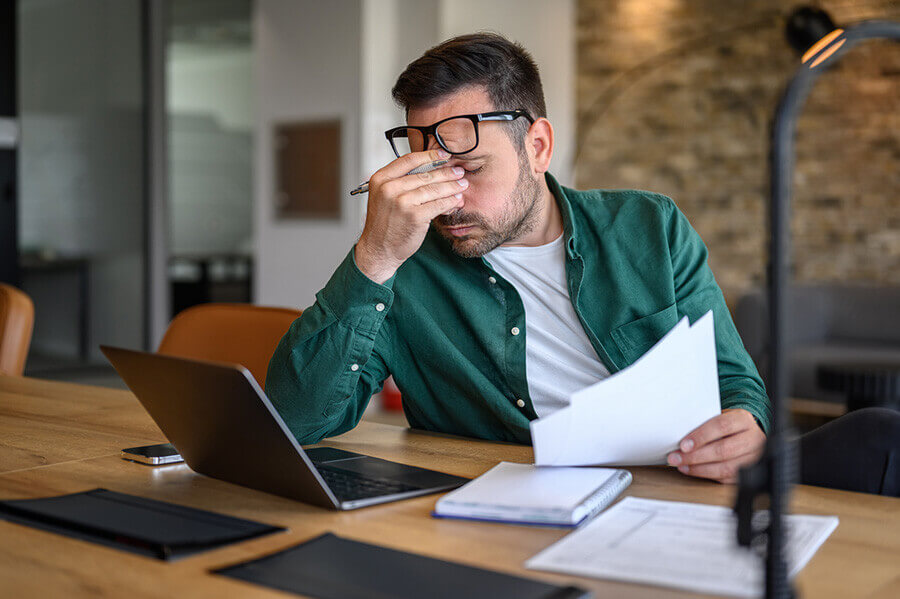
The Mind-Body Connection
The connection between psychological stress and physical back pain is well documented:
-
Muscle tension: Stress causes muscles to contract involuntarily, putting pressure on the spine.
-
Altered posture: People under stress often hunch, slump, or favor one side, increasing strain on discs and joints.
-
Inflammatory response: Chronic stress can trigger chemical changes in the body that worsen inflammation in spinal tissues.
This combination can accelerate disc degeneration, worsen sciatica, or trigger episodes of back stiffness.
Dr. Rob Campbell’s Holistic Approach
At Orange County Disc Associates, Dr. Campbell emphasizes a balanced approach to spine health:
-
Stress management techniques: Mindfulness, meditation, and guided breathing to reduce muscular tension
-
Targeted physical therapies: PEMF therapy and specialized exercises to aid disc healing
-
Lifestyle guidance: Ergonomics, posture correction, and activity pacing to minimize stress on the spine

Strategies to Reduce Stress-Related Back Pain
Patients can proactively support their spine health by:
-
Regular movement: Gentle stretching or low-impact exercise to release tension
-
Mindfulness practices: Yoga, meditation, or deep breathing exercises
-
Ergonomic adjustments: Proper seating, monitor height, and work posture to prevent strain
-
Sleep hygiene: Adequate rest to allow muscular and disc recovery
For detailed guidance on mindfulness and posture, visit Mayo Clinic: Stress Management.
The Takeaway
Back pain isn’t always purely structural. Stress can play a hidden role in worsening or even triggering disc problems. Addressing the mind-body connection, alongside proven non-surgical therapies, can significantly improve recovery and long-term spine health.
Learn more about our disc treatment solutions here.